There She Goes Again About Drugs
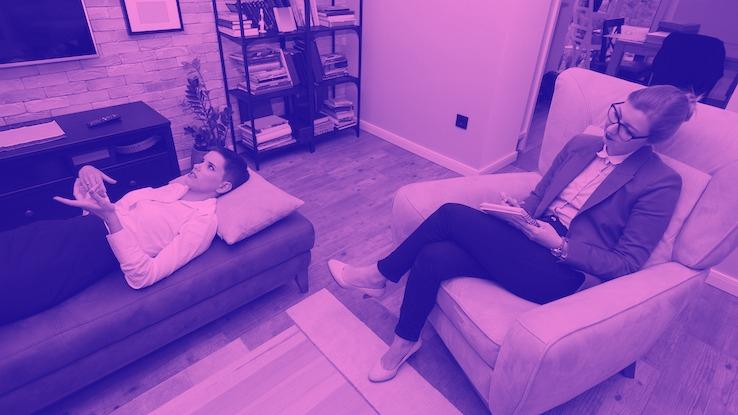
Psychedelic therapy, also known every bit psychedelic-assisted psychotherapy (PAP), combines traditional talk therapy with a psychedelic substance, such as LSD, psilocybin, ayahuasca, or MDMA. All-encompassing research on the use of these conscious-altering drugs is currently underway and has shown promising results for treating a variety of serious medical conditions.
In fact, early inquiry has been so encouraging that the U.S. Food & Drug Administration (FDA) called psychedelic therapy a "quantum therapy" in 2019, suggesting that it might not be long earlier this experimental practice becomes more than commonplace. So far, researchers have adamant that some psychedelics, such as psilocybin, are condom to use as a supervised, clinical treatment and tin produce substantial positive results when it comes to supporting a person'southward mental wellness.
What Is Psychedelic Therapy?
Traditional psychiatric practice typically involves psychotherapy, where mental wellness professionals talk with patients in order to work through issues that are causing them emotional distress. Psychedelic therapy takes that a step further — or, at to the lowest degree, supplements talk therapy. In this practice, patients use psychedelic substances in combination with talk therapy to facilitate profound and lasting mental and behavioral change.
Although using psychedelics may seem like a newer concept in Western medicine, Ethnic communities have used psychedelics in both religious and therapeutic practices for centuries. On the other manus, psychedelic therapy has only reached clinical settings in the West more than recently. In the 1950s, scientists began experimenting with the utilise of the psychedelic substance LSD to treat sure mood disorders and addiction. However, legal restrictions put that research to a halt in the '60s, despite initial promising results.
In the '90s, roughly 30 years subsequently that research was halted, human being psychedelic research resurfaced. The outcome? Researchers began using brain imaging technology in combination with clinical LSD and psilocybin trials, eager to see if the substances could provide treatment for low. Since so, research into the potential of psychedelic therapy to treat serious medical conditions and mental illnesses has continued rather steadily.
Then, in 2019, when the FDA called psilocybin-assisted mental healthcare a "breakthrough therapy," inquiry into the potential of psychedelic substances began to speed upward. At present, more than and more clinical trials are looking into the utilise of psychedelic therapy to treat a wide range of mental illnesses and disorders. Thank you to the promising psychopharmacological studies underway, certain psychedelics have go increasingly legal too.
How Does Psychedelic Therapy Work?
The patient ingests a set amount of a predetermined psychedelic drug and and then proceeds with a talk therapy session. Because psychedelics alter a person's consciousness, the therapist acts as a guide through the experience with the goal of interrogating specific mental health issues or obstacles.
Most commonly, there are three phases of psychedelic therapy. The get-go is preparation, where a therapist trained in psychedelic treatment gets to know the patient during several (unaltered) talk therapy sessions. The idea is to explore the patient'due south individual nature and develop a strong sense of trust.
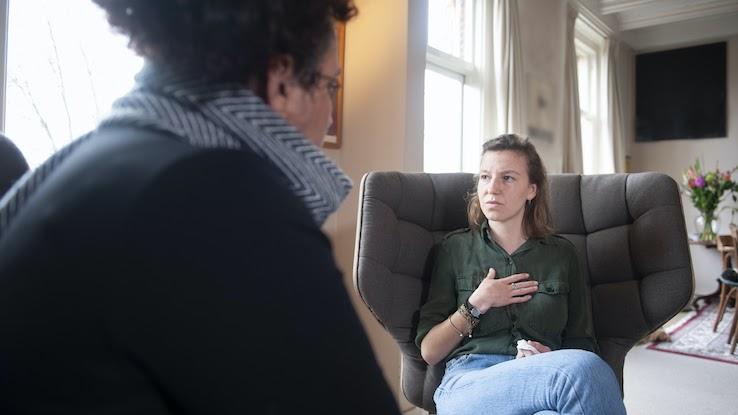
The 2d phase is the offset session itself. During a psychedelic therapy session, the patient consumes the psychedelic substance. There is a lot of emphasis on both mindset and setting, so that the experience can be properly curated. Special attention must be paid to the patient's mood and expectations — besides as how those things will interact with their personality and past experiences. By fostering trust, the therapist's aim equally a guide is to provide an inviting, open environs. In terms of setting, the concrete environment is also of import. In clinical trials, the setting ofttimes looks similar a comfortable infinite, such as a living room, to provide an surface area that feels condom and relaxing. Sometimes, a carefully crafted playlist of music is played in the background. During the session, the therapist takes a not-assertive approach — mostly listening and offering back up, help, and guidance when appropriate. Most sessions take roughly eight hours from first to finish.
In the days following the session, patients volition commence on the concluding phase, which is referred to equally integration. This stage involves conversations between the therapist and the patient that allow the patient space to process the session. The role of the therapist is to provide insight into what can be gleaned from the psychedelic experience. Overall, the intention of this type of therapy is to assistance the patient cope with their condition(s) or, in some cases, piece of work toward healing.
The Different Kinds of Psychedelic Therapy Substances
Several unlike psychedelic substances are involved in psychedelic therapy research. These include the following:
- Psilocybin: Psilocybin is recreationally known every bit magic mushrooms. Information technology is a hallucinogenic substance found in specific kinds of mushrooms. Information technology alters i'southward consciousness, perception, and mood. Psilocybin studies are looking into its potential for treating anxiety, low, post-traumatic stress disorder, and habit.
- LSD: Lysergic acid diethylamide (LSD) is a chemically-fabricated hallucinogen that alters, consciousness, perception, and mood. Enquiry shows that it may be useful for treating anxiety, post-traumatic stress disorder, and addiction.

- Ayahuasca, Mescaline, Peyote, and DMT: These four hallucinogenic substances can all be institute naturally in different establish species. Their effects include altered perception, consciousness, and mood. Studies have shown their potential to treat depression, addiction, and anxiety.
- MDMA: Most ordinarily known every bit ecstasy, MDMA is a chemically-fabricated drug that tin induce euphoric feelings, altered perception, lowered inhibitions, and increased sociability and arousal. Information technology may have therapeutic potential for treating mail service-traumatic stress disorder.
How Can Psychedelics Assistance?
The potential applications of psychedelic therapy appear to exist rather varied based on current enquiry. Some of the most mutual conditions, illnesses and disorders that may be treated with psychedelic therapy include the post-obit:
- Mail service-traumatic stress disorder (PTSD): Enquiry has shown that the psychedelic outcome of MDMA, psilocybin, and LSD may be useful in treating PTSD, especially in patients who have severe PTSD and evidence footling improvement from other treatment options. Psychedelic therapy has provided promising results suggesting that PTSD patients have the potential to alive comfortably with their PTSD.
- Anxiety, depression, and other mood disorders: A 2016 randomized, controlled, double-bullheaded report found psilocybin to significantly reduce depression and anxiety in cancer patients. A 2021 report summarizes the research and potential of psychedelic therapy in treating mood disorders, showing promising results all around.

- Addiction: Substance abuse, including alcoholism, opiate addiction, and other forms of substance corruption take been consistently on the rise in the past century. Bear witness from electric current enquiry shows that LSD, psilocybin, and other plant-based psychedelics may be helpful in treating substance utilize disorders. For example, a 2017 report found that psychedelic therapy can lead to the long-term psychological changes needed to fully recover from habit and reduce the chance of relapse.
- General well-being: Research shows that the use of psychedelic can as well help ane relax, make social connections, improve their introspectiveness, increment one's empathy, and, in general, assist their overall well-being.
More than clinical inquiry consisting of much larger, controlled studies is necessary before whatever of these therapies are officially approved. In the meantime, psychedelic drugs will continue to be used for therapeutic research in clinical and non-clinical settings alike. And then far, the results not only appear to be effective just long-lasting besides.
Potential Risks Associated With Psychedelic Therapy
Psychedelic substances are powerful and heed-altering. For this reason, their use in clinical, therapeutic settings could prove to provide significant mental wellness benefits. In fact, psychedelic drugs have been found to be extremely prophylactic in clinical, supervised settings. Current data suggests negligible dependence and toxicity risks.

However, some psychological risks may limit who can safely engage in this blazon of therapy. For example, the utilize of psychedelic therapy is not considered prophylactic for those with certain mood disorders, such as bipolar disorder. Furthermore, every bit psychedelic trips tin can cause anxiety, paranoia, and panic, this form of treatment may not be best for all personality types. It is up to the discretion of the mental health professionals to determine this aslope the patient.
Self-treatment, or the utilise of psychedelics in an unsupervised manner, tin present psychological dangers to users. Without a properly curated environment and professional guide, psychedelic therapy may non have the desired results. Experiencing a "bad trip," from the use of psychedelics is not uncommon, which can compound mental wellness issues rather than facilitate healing.
Resource Links:
- "Breakthrough Therapy" via U.Southward. Food & Drug Administration (FDA)
- "Psychotherapies" via National Institute of Mental Health (NIMH)
- "Ethical and legal problems in psychedelic harm reduction and integration therapy" via Harm Reduction Journal, BMC
- "The Therapeutic Potential of Psychedelic Drugs: Past, Present, and Future" via Neuropsychopharmacology, U.S. National Library of Medicine
- "Oregon becomes first state to legalize magic mushrooms as more than states ease drug laws in 'psychedelic renaissance'" via CNBC
- "Taking Psychedelics Seriously" via Periodical of Palliative Medicine, Mary Ann Liebert, Inc.
Source: https://www.symptomfind.com/healthy-living/are-psychedelic-drugs-the-future-of-therapeutic-care?utm_content=params%3Ao%3D740013%26ad%3DdirN%26qo%3DserpIndex
0 Response to "There She Goes Again About Drugs"
Post a Comment